SKIN & REPAIR · PHYSICIAN-SUPERVISED · SHIPPED NATIONWIDE
GHK-Cu Peptide Injections
The copper peptide your skin makes less of with age.
GHK-Cu is a copper-binding peptide made of three amino acids, glycine, histidine, and lysine, joined to a copper ion. It occurs naturally in plasma, with levels falling from around 200 ng/mL at age 20 to about 80 ng/mL by 60. Discovered in 1973, it is among the most studied peptides for skin repair, appearing in both cosmetic serums and prescription therapy. Reviewed online and shipped nationwide.

THE DISTINCTION
The molecule is the same; the quality control is not.
GHK-Cu appears in two worlds: cosmetic serums with unregulated concentrations, and prescription therapy with verified pharmacy preparation. Its natural decline with age is part of why researchers link it to visible aging, and why the form you choose matters as much as the molecule.
What are the benefits of GHK-Cu?
Smoother skin
A 12-week randomized trial measured reductions in wrinkle volume and depth with GHK-Cu.
Collagen support
It supports collagen and elastin synthesis for firmness and texture.
Scalp support
It is studied for scalp and hair support, though the evidence is thinner than the skin data.
Tissue repair
GHK-Cu is researched for wound healing and tissue repair signaling.
Antioxidant defense
It provides antioxidant defense and shifts gene expression toward repair pathways.
MECHANISM
How does GHK-Cu work?
GHK-Cu works by delivering copper, an essential cofactor for collagen and elastin synthesis, to tissues that need repair. Beyond copper delivery, research shows it nudges the expression of thousands of genes involved in healing and inflammation toward more youthful patterns. It also provides antioxidant defense. This multi-pathway action is why one peptide is studied across skin, hair, and wound healing.
What does the research show?
GHK-Cu has one of the deeper evidence bases among cosmetic peptides: a 12-week randomized trial measured significant wrinkle volume and depth reduction, with collagen stimulation outperforming several well-known cosmetic ingredients in lab studies. Wound healing and gene-expression effects are well documented in cell and animal models. Human hair regrowth data is thinner, so honest providers grade the evidence by application.
Safety and how you take it
Is GHK-Cu safe? Side effects
GHK-Cu has a reassuring safety profile, a naturally occurring plasma peptide with decades of cosmetic use, and topical forms are generally well tolerated with occasional mild irritation. Injectable use carries standard injection considerations and should always be medically supervised. People with Wilson’s disease or known copper sensitivity should not use GHK-Cu without specialist input, since the peptide delivers bioavailable copper.
How do you take GHK-Cu?
GHK-Cu comes in two main routes: topical formulations for surface skin and scalp goals, and injections for deeper or systemic wellness goals. Your provider matches the route to what you want to achieve, since a wrinkle goal and a recovery goal call for different delivery. Prescription forms arrive from a licensed compounding pharmacy with clear instructions and provider follow-up.

WHY PURE HYDRATION
Why get GHK-Cu through Pure Hydration instead of buying it online?
Pure Hydration offers GHK-Cu through licensed providers who match the formulation to your goal: topical for surface concerns, injectable for deeper wellness targets. Prescription forms are prepared by licensed U.S. compounding pharmacies, a meaningful step up from cosmetic serums with unknown concentrations. You also get the topical-versus-injectable guidance most telehealth pages skip, plus ongoing provider follow-up.
- ✓Prescribed, not a cosmetic serum. A licensed provider matches topical or injectable GHK-Cu to your skin, scalp, or wellness goal.
- ✓Verified concentration. Prescription forms are prepared by a licensed U.S. pharmacy, unlike serums with unknown concentrations.
- ✓Route guidance included. You get the topical-versus-injectable guidance most telehealth pages skip.
- ✓Guided from consultation through follow-up. You are supported before, during, and after your protocol, with shipping available nationwide.
What should you expect from GHK-Cu treatment?
Expect a four-step process: a consultation where your provider recommends topical, injectable, or both, direct shipment with clear instructions for your route, a provider-guided protocol, and follow-up check-ins. Facial changes often appear in four to eight weeks, with collagen remodeling over eight to twelve, and scalp improvements over three to six months.
Consultation
A licensed provider assesses your skin, scalp, or wellness goals and recommends topical, injectable, or both.
Fulfillment
Your prescription forms ship directly to you with clear instructions for your route.
Protocol
A provider-guided topical or injectable protocol. Facial changes often appear in four to eight weeks.
Monitoring
Scheduled check-ins with your provider to track visible changes and adjust the plan.
FAQs
Should I choose topical or injectable GHK-Cu?
Match the route to the goal. Topical formulations suit surface skin and scalp concerns like fine lines and texture. Injections suit deeper or systemic wellness goals such as recovery support. Some protocols use both. Your provider assesses your goals at consultation and recommends the route, or combination, most likely to deliver them.
How long does GHK-Cu take to work?
Timelines vary by route and goal. Facial skin changes often appear within four to eight weeks, collagen remodeling builds over eight to twelve weeks, and scalp improvements typically take three to six months. Your provider sets expectations at consultation and tracks progress at check-ins. Consistency matters more than speed.
Can GHK-Cu regrow hair?
The honest answer is that human hair regrowth evidence is thinner than the skin data. GHK-Cu is studied for scalp and hair support, and some users report improvements, but no robust trial proves regrowth. Providers position it as scalp support with realistic expectations, not a guaranteed hair-loss reversal.
What does GHK-Cu do for skin?
A 12-week randomized trial measured significant reductions in wrinkle volume and depth, and lab comparisons showed stronger collagen stimulation than several well-known cosmetic actives. It also supports wound healing and antioxidant defense. These are the best-evidenced applications, and your provider grades expectations by your specific skin goals.
What is the difference between GHK-Cu serum and prescription GHK-Cu?
Cosmetic serums contain unknown, unregulated concentrations for surface application, while prescription GHK-Cu is prepared by a licensed compounding pharmacy to verified identity and concentration, with provider guidance on route and goals. Serums suit basic skincare; prescription forms suit targeted therapeutic goals under medical supervision.
How to Use Your Peptides
Before you get started with your peptide protocol, we recommend reviewing our Injection Guide to ensure safe and effective use. This quick-reference document walks you through proper subcutaneous injection technique, storage tips, and other best practices.
Each protocol includes recommended timing, injection instructions, safety notes, and how the peptides work in your body. As always, please follow your provider’s guidance, and please reach out with any questions!

Start with a consultation
Not all patients qualify for all treatments. Book a free consultation to find out whether GHK-Cu is right for you. Consultations are available by telehealth or in person at our Jacksonville Beach and Riverside locations.
More like GHK-Cu

Glutathione
Master antioxidant support that pairs with GHK-Cu in skin and wellness protocols.
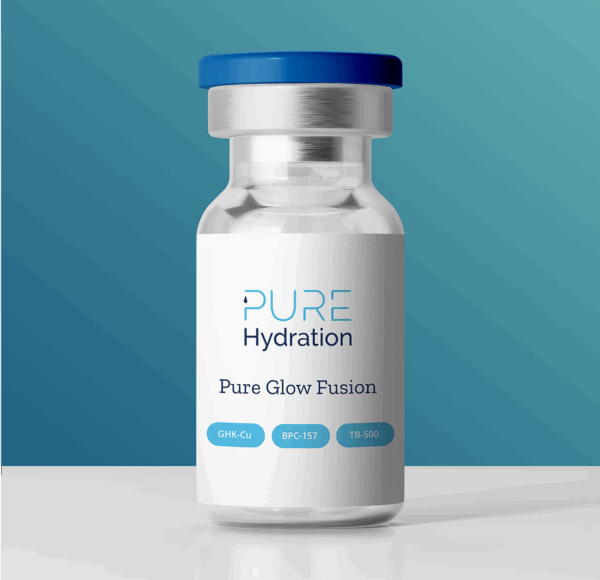
Pure Glow Fusion
Our glow-focused blend combining GHK-Cu with complementary skin peptides.

Radiance Restore
Pairs GHK-Cu with epithalon for structural repair and cellular longevity.
Dr. Aarian Afshari is a board-certified emergency medicine physician and a graduate of the Florida State University College of Medicine. As Pure Hydration's Medical Director, he oversees the clinic's medical protocols and standards of care. Peptide protocols are prescribed for individual patients and compounded by licensed U.S. 503A and 503B compounding pharmacies.
- Physician-led oversight
- Board-certified medical director
- 503A/503B compounded
- Telehealth in all 50 states
Last reviewed October 2026 by Dr. Aarian Afshari, MD.